

Introduction: A Common Headlight Panic
You walk to your Tesla after a rainy night or a car wash, and there it is: a tell-tale sign of fog or a small puddle of water inside your headlight assembly. Your heart sinks. Is this a major flaw? Will it cost a fortune to fix? This is a common and often alarming sight for many Tesla owners, leading to immediate worries about a costly repair bill. The good news is, in many cases, this is not a sign of imminent disaster. However, ignoring the issue can lead to serious and expensive problems, from corroded electronics to a burnt-out DRL (Daytime Running Light) strip. This comprehensive guide will walk you through how to troubleshoot the problem, differentiate between a minor issue and a major fault, and provide a clear roadmap for resolving the issue—potentially saving you thousands of dollars in the process.
Troubleshooting: Is It Normal Condensation or a Serious Problem?
Before you panic and schedule a service appointment, it’s crucial to understand the difference between normal headlight condensation and a genuine water leak. Car headlights are not completely sealed; they have small vent holes to allow air pressure to equalize and prevent a vacuum from forming. This design, however, can lead to condensation under certain environmental conditions.
What Normal Condensation Looks Like
- Location: Fog or haze confined to a small area, often in the corners or along the top edge.
- Appearance: A light, misty film—much like a bathroom mirror after a hot shower.
- Duration: Dissipates within 15–20 minutes of turning on your headlights or DRLs.
- Cause: Outside temperature significantly colder than the inside of the housing—common after cold nights, heavy rain, or a car wash.
What a Serious Water Leak Looks Like
- Location: Large water droplets, streaks, or a visible puddle at the bottom of the housing.
- Appearance: Dense fog covering a large portion of the lens.
- Duration: Moisture persists for hours or days even after driving with lights on.
- Cause: A damaged or compromised seal. For older models, a cracked housing or failing seal means a simple tesla headlight repair is no longer viable, requiring a full assembly change. Whether you are looking for 2021 tesla model 3 headlights or 2022 tesla model 3 headlights, identifying your factory lens type is crucial before purchase.
DIY Solutions: Simple Fixes to Try at Home
If you’ve confirmed the issue is minor condensation, try these safe DIY methods. Click each step to expand the instructions.
1 The Sunlight Method ▼
Park your Tesla in a sunny, dry spot for several hours. The heat will naturally warm the headlight housing, causing trapped moisture to evaporate through the vent holes. Turn on your headlights or DRLs while parked to generate extra heat and speed up the process. Best for: mild condensation on clear days.
2 The Hair Dryer Method ▼
Set the hair dryer to its lowest heat setting. Hold it at least 12–18 inches (30–45 cm) from the headlight lens and move it continuously—never concentrate heat on one spot. Best for: persistent mild condensation when sunlight isn’t available.
3 Checking the Vent Caps ▼
Locate the rubber or plastic vent caps on the back of the headlight assembly. Gently wiggle them to ensure they are properly seated. If loose, push them firmly back into place. Clogged vents prevent moisture from escaping and are a surprisingly common cause of recurring condensation.
The DRL Issue: Why Your Headlights Are Turning Yellow
Beyond condensation, a common complaint among Tesla owners is the yellowing of the DRL (Daytime Running Light) strip—almost always a result of chronic moisture exposure. The DRL strip is a thin, illuminated plastic guide that degrades and discolors when exposed to moisture and heat over time. The clear white light turns to a noticeable yellow or amber hue, and in some cases fails completely.
This is a clear indicator of a long-term water leak silently damaging your assembly from the inside out. Once the DRL strip has yellowed, a simple drying process will not fix it—the plastic has been permanently discolored. The only effective solution is to replace the DRL module or the entire headlight unit. Opting for a premium tesla model 3 aftermarket headlights bundle provides a durable shield against future moisture ingress. If you see this happening, the seal on your headlight has failed and professional intervention is required to prevent further damage to the sensitive electronics inside the housing.
This issue is often a sign of a manufacturing defect that could be covered under warranty. According to the National Highway Traffic Safety Administration (NHTSA), proper lighting is a key safety component, and failures due to defects should be addressed. If you’re still within your warranty period, this is your strongest argument for a free replacement.
Repair Cost Analysis: Tesla Service vs. Third-Party Repair
When DIY solutions fail and you’re faced with a genuine water leak or DRL issue, your choice of repair path will depend on your warranty status and budget. Here is a clear breakdown of your real-world options:
| Option | Estimated Cost | Risks & Notes |
|---|---|---|
| OEM Tesla Dealer | $1,200 – $1,500 | Exorbitant pricing; not covered if out of warranty. |
| Used / Scrap Yards | $400 – $600 | High risk of hidden damage or pre-existing leaks. |
| Resealing Repair | $300+ (Labor) | Over 45% re-leakage rate; temporary fix that wastes money. |
| Tesery 1:1 Assembly | Premium & Affordable | Only 30 mins for an easy DIY plug-and-play setup with native functions. |
If your car is still under warranty, contact the Tesla Service Center first—manufacturing defects like a faulty headlight seal are typically covered. You can verify your coverage on the official Tesla Warranty Page.
Conclusion: Summary & Expert Advice
Encountering water or fog in your Tesla’s headlight can be unnerving, but it doesn’t have to be a financial nightmare. Your first step should always be to troubleshoot the issue and determine its severity.
- Minor Condensation: Don’t panic. Try the sunlight or hair dryer method—this often resolves the issue at zero cost.
- Persistent Leak or DRL Yellowing: Act immediately. If under warranty, contact Tesla Service Center. If out of warranty, a Tesery 1:1 replacement assembly is the most cost-effective, permanent solution—no re-leakage risk, no error codes, plug-and-play in 30 minutes.
By following these steps, you can prevent a small, manageable problem from turning into an expensive and frustrating repair. Knowledge is power, and with the right approach, you can keep your Tesla’s headlights shining bright and clear for years to come.
FAQ on Tesla Headlight Replacement
Will replacing a damaged Tesla headlight assembly cause error codes or lose factory features? ▼
Does water ingress permanently damage Tesla adaptive headlights? ▼
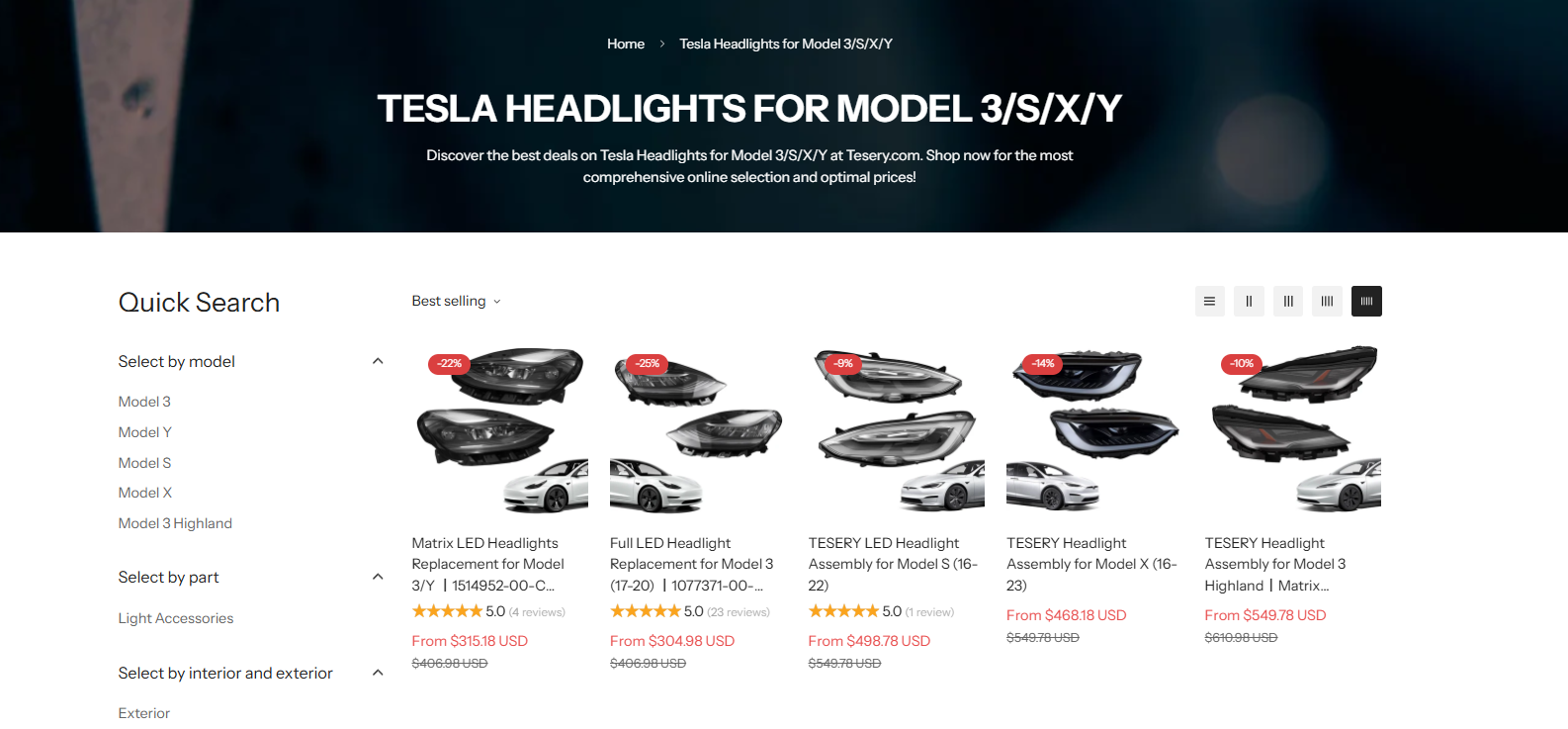
Explore Upgraded Tesla Headlights
Ready to upgrade to a headlight assembly designed for superior performance and durability? Our collection features headlights engineered to resist moisture and provide a flawless, brighter look.
Shop All Tesla Headlights


