
Introduction
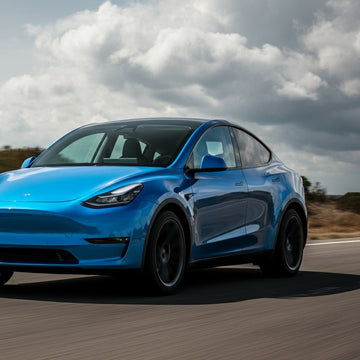
Tesla has recently launched a slightly longer version of its Model Y all-electric crossover in China, a vehicle designed to offer a bit more interior room, including a third row for additional seating. However, despite this new iteration, demand from Tesla fans for a larger SUV or minivan remains as strong as ever. This article delves into the features of the new Model Y L, the reactions from the Tesla community, and what this reveals about consumer desires in the electric vehicle market.
Model Y L: A Step Forward, but Not Enough
The Model Y L, introduced in the Chinese market, boasts a larger wheelbase than its predecessor, providing marginally more interior space and accommodating a sixth seat. Tesla's decision to enhance the Model Y in this way seems intended to cater to families and larger groups, yet it has not quelled the calls for a more substantial vehicle that meets the needs of larger families and outdoor enthusiasts.
Community Feedback: A Demand for Larger Vehicles
In a recent survey conducted on social media, Tesla fans expressed overwhelming support for the need for a true three-row SUV or minivan in the company’s lineup. Many owners articulated their challenges with the current Model Y, suggesting that while the new version offers some improvements, it still falls short for those requiring more space.
“Our Model Y is quickly getting too small for our family of 5 as the kids grow. A slightly longer Y with an extra seat is nice, but it’s not enough if you’re looking to take it on road trips/vacations,” shared one concerned owner.
The Competition: What Users Want
Fans are vocal about their desire for a vehicle that can compete with existing gas-powered SUVs such as the Chevrolet Tahoe and Ford Expedition, as well as electric options like the Volkswagen ID.BUZZ. The consensus is clear: a full-size SUV with ample cargo space for camping or business use could capture a significant segment of the market that Tesla has yet to tap into.
What Tesla Has Planned
Tesla executives have hinted at a focus on developing affordable, compact models, but details regarding the timeline and specifics of these plans remain vague. The company has not confirmed any plans to introduce a full-size SUV or minivan, which leaves many potential customers feeling unaddressed.
The Robovan: A Different Kind of Solution
Amidst the demand for larger family vehicles, Tesla has introduced the Robovan, designed to accommodate up to 20 passengers in a lounge-like setting. However, the Robovan is primarily a people-mover and may not satisfy those looking for a vehicle tailored to family road trips or outdoor adventures. Moreover, the Robovan will be fully driverless, which raises questions about its timeline for release given the current state of Tesla's Full Self-Driving technology.
Conclusion: The Road Ahead for Tesla
As Tesla continues to innovate and expand its vehicle offerings, it faces a crucial decision point regarding consumer demand for larger vehicles. The recent launch of the Model Y L may be seen as a step in the right direction, but it has not mitigated the strong calls from fans for a more substantial SUV. With competition in the electric vehicle market intensifying, Tesla's response to these demands could shape the future of its product lineup and its relationship with loyal customers.
In summary, while the Model Y L provides some enhancements, it serves as a reminder that Tesla must listen closely to its community. The desire for a larger, more capable vehicle is evident, and how Tesla addresses this need could significantly impact its future success in the evolving automotive landscape.


