
Introduction
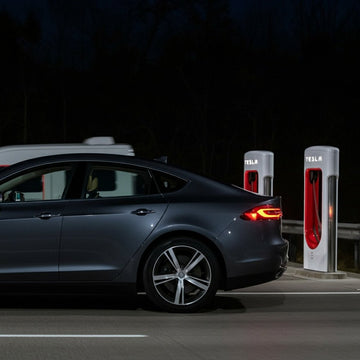
In a significant development for electric vehicle (EV) infrastructure, Tesla CEO Elon Musk has publicly reacted to the New Jersey Turnpike Authority's (NJTA) decision to decommission and shut down 64 Tesla Superchargers located along one of the busiest highways in the United States. This move was announced late last week, leaving many EV drivers and industry observers questioning the motivations behind the NJTA's choice to partner with a third-party charging provider.
The NJTA's decision to remove Tesla's Supercharger stations has raised eyebrows, particularly given that these charging stalls serve a variety of electric vehicle brands, not just Tesla vehicles. This article explores the implications of this decision, the response from Musk, and what it means for the future of EV charging in New Jersey.
The NJTA's Decision
The announcement from the NJTA to shut down Tesla's Superchargers comes as part of a new partnership with a sole third-party company to provide EV charging solutions along the New Jersey Turnpike. This decision has sparked widespread confusion and concern among Tesla owners and EV advocates alike, as the current Supercharger network is known for its reliability and extensive maintenance.
Despite the popularity and accessibility of Tesla's Supercharger stations, the NJTA has opted to proceed with the new supplier, which means that the existing Superchargers will no longer be available for use. This is particularly troubling given the high volume of traffic on the Turnpike, which is a critical corridor for EV drivers in the region.
Musk's Reaction
Elon Musk took to Twitter to express his thoughts on the shutdown, simply stating, "Sounds like corruption." This brief but pointed remark has ignited discussions about the potential political motivations behind the NJTA's decision. While there is no direct evidence implicating corruption, the abrupt nature of the decision raises questions regarding transparency and fairness in the EV charging infrastructure.
“Sounds like corruption.”
- Elon Musk
Understanding the Implications
The removal of Tesla Superchargers from the New Jersey Turnpike could have several implications for both Tesla and the broader EV community. For Tesla, losing access to such a heavily trafficked route could hinder the convenience that many of its customers have come to rely on. The Supercharger network has been a significant factor in the company's growth, providing essential support to EV users.
For the EV community, the shutdown of these charging stations may limit options for those traveling along the Turnpike. With Tesla's Superchargers accommodating many different EV brands, the loss of these stations represents a setback for the overall accessibility of electric vehicle charging infrastructure in the state.
Political Context
The decision by the NJTA to remove Tesla's Superchargers can also be viewed within a broader political context. There have been instances in recent years where officials have publicly criticized Musk and his ventures. Notably, Minnesota Governor Tim Walz has been vocal about his disdain for Tesla, which could suggest a pattern of political backlash against the company.
This political environment may contribute to the NJTA's decision, leading some to speculate about the underlying motivations that informed their choice to partner with a different charging provider. The landscape of EV policies is rapidly evolving, and decisions made by governing bodies can significantly influence the growth and acceptance of electric vehicles.
Tesla's Preparedness
Despite the challenges posed by the NJTA's decision, Tesla has reportedly been preparing for such outcomes for years. The company had anticipated potential regulatory hurdles and has proactively built 116 additional charging stations in proximity to the Turnpike. This strategic move ensures that Tesla drivers still have access to reliable charging options, albeit not directly on the Turnpike itself.
As the EV market continues to grow, maintaining a robust and accessible charging network will be critical. Tesla's foresight in expanding its charging infrastructure demonstrates the company's commitment to supporting its users, regardless of external challenges.
Looking Ahead
The decision to decommission Tesla Superchargers on the New Jersey Turnpike has sparked a significant conversation about the future of EV charging in the state and beyond. As electric vehicles become more mainstream, the need for reliable charging infrastructure will only increase. The NJTA's move raises questions about how such decisions are made and who benefits from them.
As discussions around EV infrastructure continue, it will be essential for stakeholders, including Tesla, local governments, and third-party suppliers, to collaborate effectively to ensure that the transition to electric vehicles is smooth and beneficial for all parties involved.
Conclusion
Elon Musk's reaction to the shutdown of Tesla's Superchargers on the New Jersey Turnpike highlights the complexities and challenges faced by electric vehicle manufacturers and users. The NJTA's decision to partner with a third-party supplier raises important questions about the governance of EV infrastructure and the implications for consumers.
As the EV market continues to evolve, it is crucial for all stakeholders to advocate for transparent and fair policies that promote the expansion of charging networks. The future of electric vehicles depends not only on technological advancements but also on the frameworks that govern their use and accessibility.


